
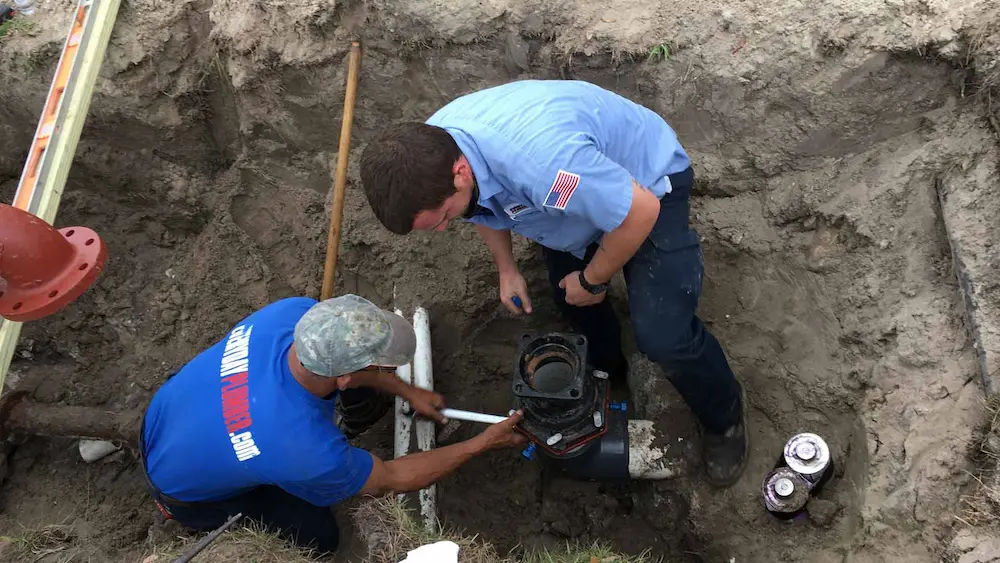
Everyone wants to hire a capable, clean plumber for their home or business plumbing needs. Learn why clean plumbing matters, our procedures for clean equipment and personnel, and why we NEVER leave a mess. Know our process for clean and code compliant installations as well as methods for cleaning existing plumbing infrastructure. Also learn what you can do to keep your plumbing clean and working efficiently!
1. Why Clean Plumbing Matters For Your Health
Safety and health come first for any job we tackle. When installing new pipes and fixtures, keeping them clean is more important than mere aesthetics. Clean plumbing avoids the following risks:
Prevents contamination:
Clean materials for plumbing installations help prevent bacteria, mold, and mineral buildup from entering your drinking and cooking water. Clean plumbing helps you and your family avoid getting sick to begin with.
Reduces allergens:
Leaks or stagnant water in plumbing can foster mold growth, which can worsen allergies and respiratory conditions. So, if you are sensitive to the never-ending allergy seasons of Florida, it’s smart to ensure your plumbing installations are clean and not compounding on the challenge of Tampa’s air quality.
Keeps wastewater separate:
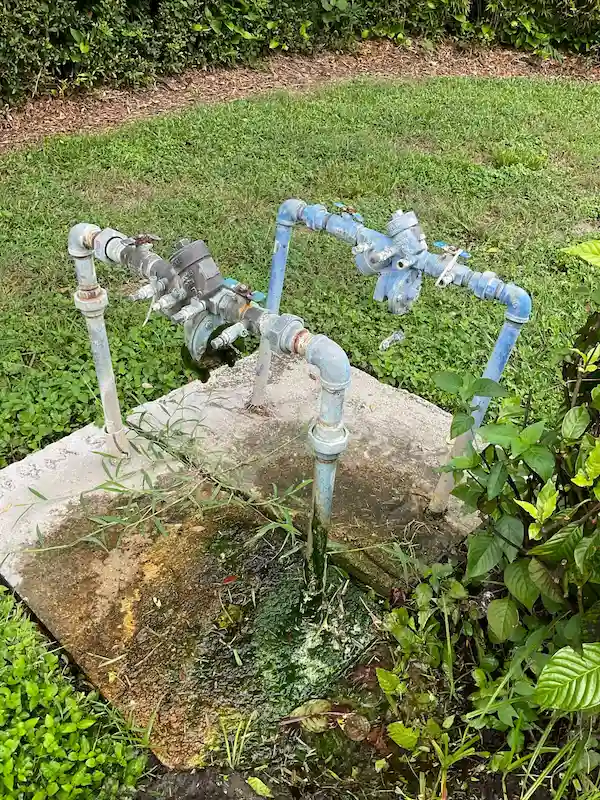
Properly maintained systems ensure dirty water doesn’t backflow into clean water lines. Not many things are more unsightly than urine, feces, and used toilet paper flowing back up your shower drain!

2. Clean Plumbing Prevents Damage to Property
Believe it or not, clean plumbing protects aspects of your home that seem unrelated such as your flooring and cabinets.
A Clean Plumbers’ Work Avoids leaks and flooding:
Clean, unobstructed pipes are less likely to crack or burst from pressure buildup. This is where drain snaking and hydro jetting come into play; the best techniques for keeping your sewer drains clear and flowing.
Protects structural integrity:
A small leak can lead to rot, warped floors, or damaged cabinetry if ignored. When the damage is done, these end up costing hundreds or thousands to replace. Save yourself money, time and headache by choosing clean plumbing installations from the start!
Stops costly repairs:
In addition to flooring, cabinets, and other home components being at risk to damage from shoddy, unclean installations, the integrity of your plumbing system itself can degrade. Preventive cleaning extends the lifespan of your plumbing system, lowering the risk of emergency calls.
3. Clean Plumbing Improves Efficiency
Your plumbing will move water and waste easier when installed and repaired by clean Tampa plumbers. Your water bill will also likely go down!
Better Water Pressure and Extended Plumbing System Life:
Mineral scale or sludge buildup narrows pipes, reducing flow and making your system work harder. Hydro jetting scours the interior of drains with ease. Repipes and pipe repair can return efficient flow to incoming water pipes. To go the extra mile and ensure pipes don’t get clogged with mineral buildup-an occurrence all too common for Tampa’s mineral rich water supply-you can install a custom filtration system to soften water coming into your home. This makes your water cleaner, safer, and less harsh on your essential plumbing systems.
Clean Plumbing Saves Energy:
One of the essential systems preserved by clean plumbing practices and a proper filtration system is your water heater. It does not matter whether it is tankless or traditional; water heaters are susceptible to breaking down due to scale buildup from hard water. Water heaters last longer and heat faster when free of sediment and scale.
Work by Clean Plumbers Often Results in Lowers bills:
Everyone could use a reduced water bill. Thankfully clean plumber practices can help with that! Investing in clean plumbing systems saves you money in the long term. It’s already been mentioned that clean plumbing protects your cabinets and flooring as well as your plumbing system, but even then there is more to save. Clean plumbing uses water more efficiently, reducing waste.
4. Key Aspects of Clean Plumbing
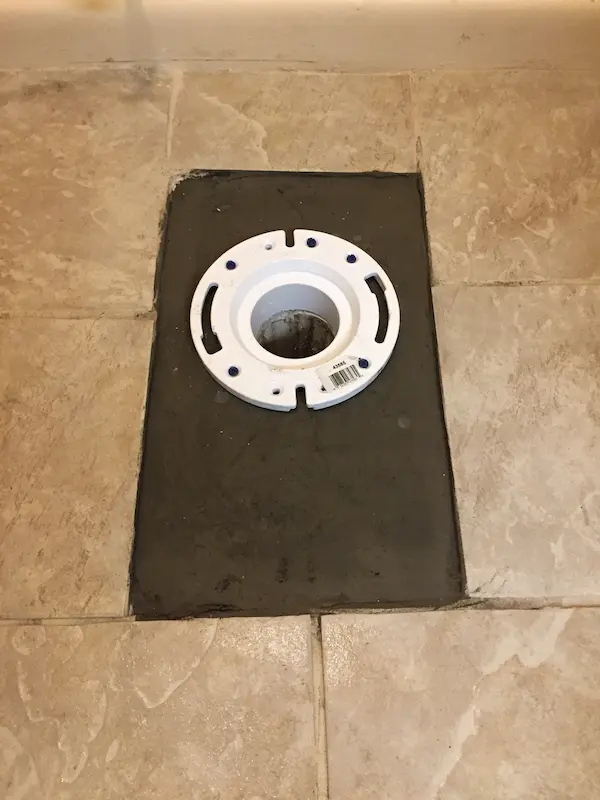
What makes a plumbing project “clean”? And what makes a “clean” plumber?
Regular Pipe & Drain Maintenance
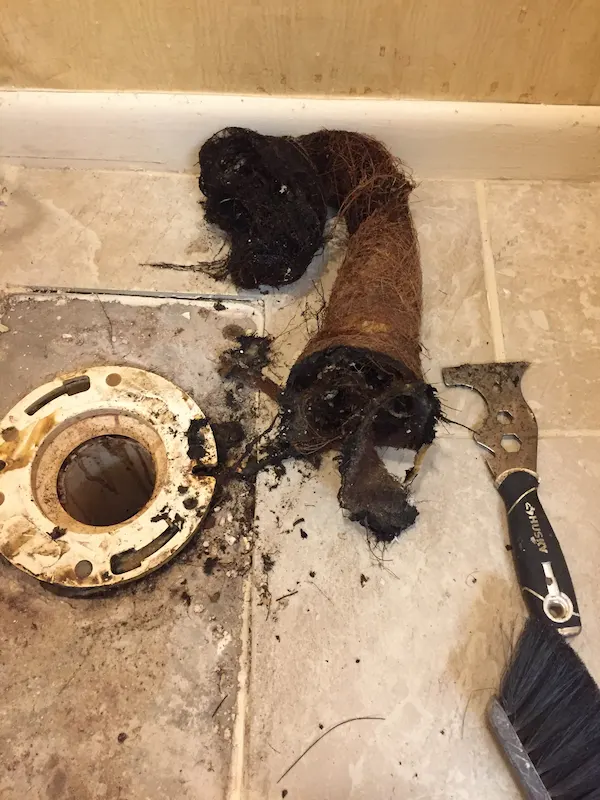
- Drain cleaning: Clearing hair, grease, and debris before they form full blockages. Temporary relief for pipe blockages comes from drain augering or drain snaking.
- Hydro-jetting: High-pressure cleaning for stubborn buildup. For full restoration of sewer drain flow, hydro jetting is the gold standard.
- Descaling via Water Softening: If incoming water pipes are significantly blocked, they will likely have to be replaced. We have efficient, minimally disruptive methods for whole home repipes! If you’re pipes are in good shape, but you want them to last for decades, installing a water filtration system that is perfectly suited for your home is smart.
Leak Detection & Repair
- Routine inspections: Spotting small leaks and other plumbing issues before they escalate into fully fledged emergencies. We offer video camera drain inspections designed to locate drain issues before they become drain disasters.
- Pressure testing: Good water pressure for sinks and showers is a huge factor in comfortable living. Our expert technicians who specialize in clean plumbing practices can evaluate the current state of your plumbing. We will ensure that your plumbing can handle normal operating pressure without strain.
Fixture & Appliance Care
- Faucet aerators: Routine cleaning of this often overlooked component helps prevent clogging and uneven spray. If scale buildup is severe, we can replace this part and perhaps the whole fixture if a plumber believes it to be necessary.
- Water heater flushing: Annual or semi-annual water heater draining to remove sediment and prevent corrosion can help you get the most out of your unit. Water heater installations are not cheap; take advantage of this knowledge and save big bucks down the line!
- Toilet maintenance: Noticing strange gurgling sounds, or bubbling? Taking care of it now can pay dividends. Our clean plumbers specialize in preventing clogs and ensuring seals don’t leak.
Backflow Prevention
- Check valves & backflow devices: Ensuring wastewater can’t reverse into clean water lines is absolutely necessary for sanitation and safety. If you notice foul odors or see anything other than pure water in your toilets, sinks, and showers, call one of our emergency plumbers right away.
- Annual testing of sophisticated plumbing components: Keeping these safety devices operational is a cinch. Rather than wait for something to break down, schedule routine maintenance with the best plumbers in Tampa to ensure everything in your home that carries water in and waste out is functioning up to par.
Water Quality Management
- Filtration systems: Stay healthy by stopping contaminants from entering to begin with. Call an expert to talk about solutions for removing impurities before they enter your home’s plumbing.
- Softening systems: Next level clean plumbing involves reducing water hardness that causes scale and pipe damage. Consult our expert plumbing technicians on solutions right for your home!
Sanitary Practices During Repairs
- Clean tools & parts: Our clean plumbing practices emphasize the importance of preventing cross-contamination when working on drinking water lines.
- Proper disposal of wastewater: A properly functioning sewer drain has no issues keeping harmful substances out of the environment. Our plumbers never make shortcuts at your home’s expense or that of the environment. We love our town and respect our customers, always performing work in line with those values.
5. Key Aspects of Our Clean Plumbers
What makes a “clean plumber”? And what does not?
When we say our plumbers are “clean plumbers,” we mean more than just a tidy appearance. Clean plumbing work is professional, sanitary, and safe – from how our team arrives to how your job site looks when we leave.
Appearance & Personal Presentation
A clean plumber should:
- Arrive in a clean, well-fitting uniform that clearly displays the company name and logo.
- Wear protective gear such as gloves, boot covers, and safety glasses when appropriate.
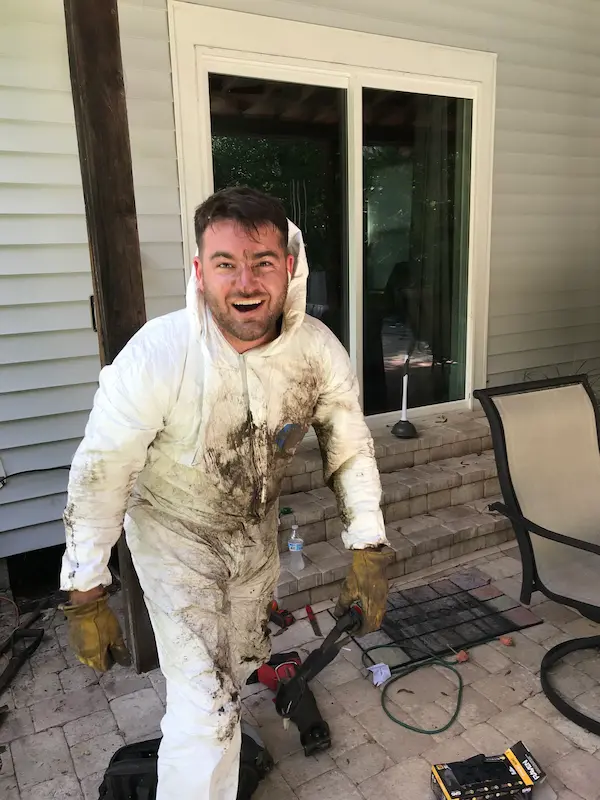
- Maintain personal hygiene — no strong odors, greasy hands, or dirty clothing.
Red Flags:
- Stained or torn clothing.
- No visible company ID or logo.
- Unkempt or unprofessional demeanor.
Work Vehicle & Tools
A clean plumber should:
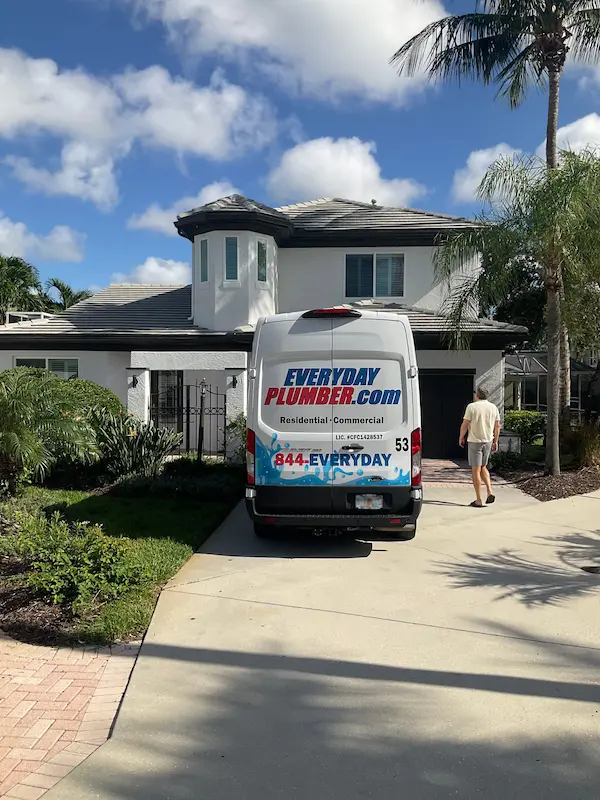
- Drive a well-maintained service van with visible branding.
- Keep tools organized, clean, and in good working order — no rusted wrenches or leaking toolboxes.
- Carry sanitary supplies (disinfectants, clean rags, drop cloths) to protect your home.
Red Flags:
- Unmarked or damaged vehicle.
- Tools scattered on dirty surfaces or stored unsafely.
- No protective mats or covers brought to the job.
Job Site Before the Work
A clean plumber should:
- Lay clean drop cloths or fresh mats to protect floors and surfaces.
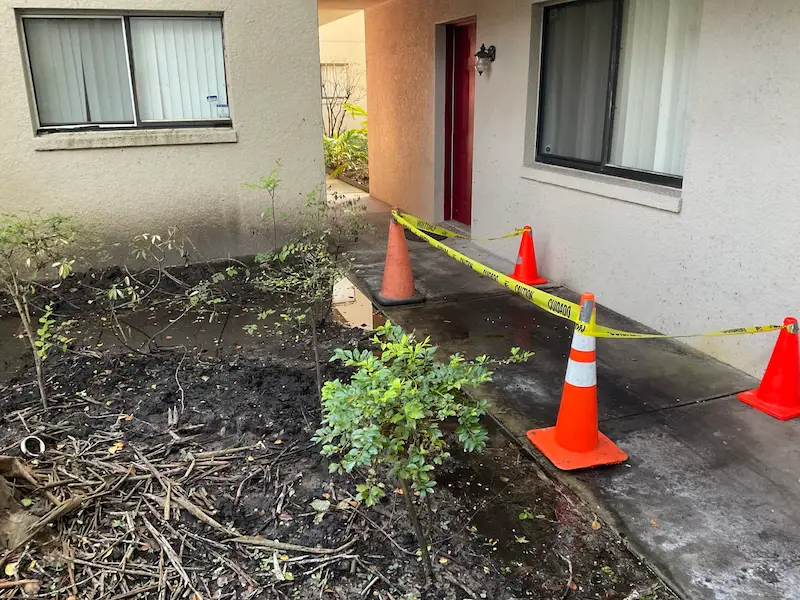
- Clearly mark work zones to keep the household safe.
- Shut off water, power, or gas (if applicable) before starting.
Red Flags:
- Tracking dirt or mud into your home.
- Starting work without protecting nearby surfaces.
- Leaving sharp tools or hazardous materials unattended.
Job Site During the Work
A clean plumber should:
- Keep the work area organized and free from unnecessary clutter.
- Use clean rags and sanitized tools, especially for drinking water lines.
- Dispose of old parts and debris as the job progresses.
Red Flags:
- Tossing debris on the floor.
- Mixing clean and dirty tools without sanitizing.
- Using food containers, cups, or hands directly on potable water components.
Job Site After the Work
A clean plumber should:
- Remove all trash, old parts, and packaging.
- Wipe down and disinfect surfaces.
- Restore the site to equal or better condition than before the job started.
Red Flags:
- Leaving behind debris or dirty footprints.
- Not wiping up water spills.
- Forgetting to reinstall access panels, covers, or trim.
6. What You Can Do to Practice Clean Plumbing
While technical or complicated work should always be left to professionals for safety and practical reasons, there are things you can do to maintain make your plumbing last much longer than normal.
Keep Drains Clear
- Weekly: Run hot water down kitchen and bathroom drains to loosen buildup. Avoid dumping grease and letting hair flow down sink drains for increased longevity.
- Monthly: Use a safe, enzyme-based cleaner occasionally to further break up blockages. Avoid harsh chemical drain cleaners that can damage pipes and the environment. These chemicals are made of highly concentrated bases that are toxic to humans; it is better to not handle them or bring them into your home.
- Signs of trouble: Slow draining, bad odors, or gurgling noises. If noticed quickly, solutions can be implemented that are relatively low effort compared to extensive methods required to fix months of unchecked buildup.
Flush Your Water Heater
- Every 6–12 months: Drain and flush your water heater tank to remove sediment that reduces efficiency and shortens lifespan. You can do this yourself, but if you are unsure, one of our water heater technicians will happily assist you.
- Tip: Ask EVERYDAYPLUMBER.com about professional flushing and anode rod inspection. Learn more about water heaters, caring for them and potential upgrades in our blog: Why Tampa’s Hard Water Wrecks Water Heaters Over Time
Watch for Leaks
- Weekly visual check: Look under sinks, behind toilets, and around water heaters.
- Hidden signs: Musty smells, warped cabinets, or unexplained water bills.
- Act fast: Even a slow drip can waste gallons and cause costly damage. Contact one of our specialist Tampa plumbers right away if you have doubts.
7. We Claim To Be Clean – What Do The Customers Say?
Find out from a valued customer why we are Tampa’s clean plumbers of choice! Check out more of our reviews on Google to see what other ways Tampa Bay residents appreciate our clean plumbing services!
Na T. – ⭐⭐⭐⭐⭐ – June 2025
This was a positive experience, from start to finish. I called around 7:00PM Tuesday evening. Olivia scheduled me for the next morning. As well, she was professional, personable and sensitive to my concerns. Great teamwork! By 11:30AM, all work was completed. This was not my first time using EverydayPlumber. I initially discovered them, on my condo association’s , ‘Recommended Vendor’ list. . I’ve hired them twice before- a water heater purchase/install and a clogged kitchen drain. Both times, great service. In addition, our condo assn. requires a Certificate of Liability and EverydayPlumber always provided, promptly.”
Book Your Plumbing Project With Tampa’s Clean Plumbers
You’re home’s plumbing should easily bring in clean water and remove all waste effortlessly. Schedule your plumbing needs with expert plumbing technicians who handle dirty jobs with clean plumbing practices.
Pipe Burst or Sewage Backup Disaster? Don’t Sweat – Use Our Same Day Service!
If something suddenly does wrong, call us immediately and we will get your plumbing fixed right away. Our 24/7 emergency plumbing team is on standby around the clock to suit up, show up, and clean up the mess when you need them most!
Call or Request Service Online
Want to consult with us? Talk to a real person by calling 813-872-0200 to get help fast, or request service online through our contact form. We will get your plumbing needs taken care of fast and effectively. We always leave a job site as good or better than we found it.
Frequently Asked Questions About “Clean Plumbing” & “Clean Plumbers”
Q: Why is “clean plumbing” important for my home?
Clean plumbing prevents contamination of your drinking water, reduces the risk of leaks and damage, and ensures your system operates efficiently. It also helps extend the life of your fixtures, appliances, and pipes.
Q: What makes a plumber “clean” and professional?
A clean plumber arrives in a neat, branded uniform, keeps tools and equipment sanitized, protects your home with drop cloths or boot covers, and leaves the work area as clean—or cleaner—than they found it.
Q: How should a plumbing job site be kept during repairs or installation?
A professional plumber maintains an organized workspace, marks off hazards, uses protective coverings for floors and surfaces, and disposes of waste properly. This ensures safety, prevents damage, and maintains cleanliness.
Q: What are red flags that a plumber may not maintain clean or safe work practices?
Watch out for unmarked vehicles, disorganized or dirty tools, tracking mud or debris into your home, leaving trash or old parts behind, or failing to protect clean water lines from contamination.
Q: How often should plumbing fixtures and systems be cleaned or inspected?
For most homes, annual professional inspections are recommended. Drain cleaning, water heater flushing, and fixture descaling should be performed regularly to prevent buildup and ensure safe, efficient operation.
Q: Does EVERYDAYPLUMBER.com follow specific cleanliness standards?
Yes. Our plumbers are trained to follow strict cleanliness and safety protocols — from the way they present themselves to the way they maintain vehicles, tools, and job sites — ensuring your home and plumbing are treated with respect.
Related Content:
Sewer Repair and Installation – If your sewer drain needs the attention of a clean plumber, give us a ring! We will use video camera inspection diagnostics to deduce the best solution for your plumbing system.
Hidden Water Leaks – Hidden water leaks can make your plumbing system and home the opposite of clean. Learn how to detect them and what to do if you suspect a leak in this blog.
How To Maintain Your Water Heater and Extend It’s Lifespan – Looking to learn the water heater maintenance pro tips? Check out this blog to find out more!