
Gas Line Repair & Installation in Tampa Bay
Licensed installation, repair, and leak detection for natural gas and propane lines across Tampa, St. Petersburg, Clearwater, Brandon, and Wesley Chapel — residential and commercial, backed by a master plumber license and upfront pricing.
What Is Gas Plumbing?
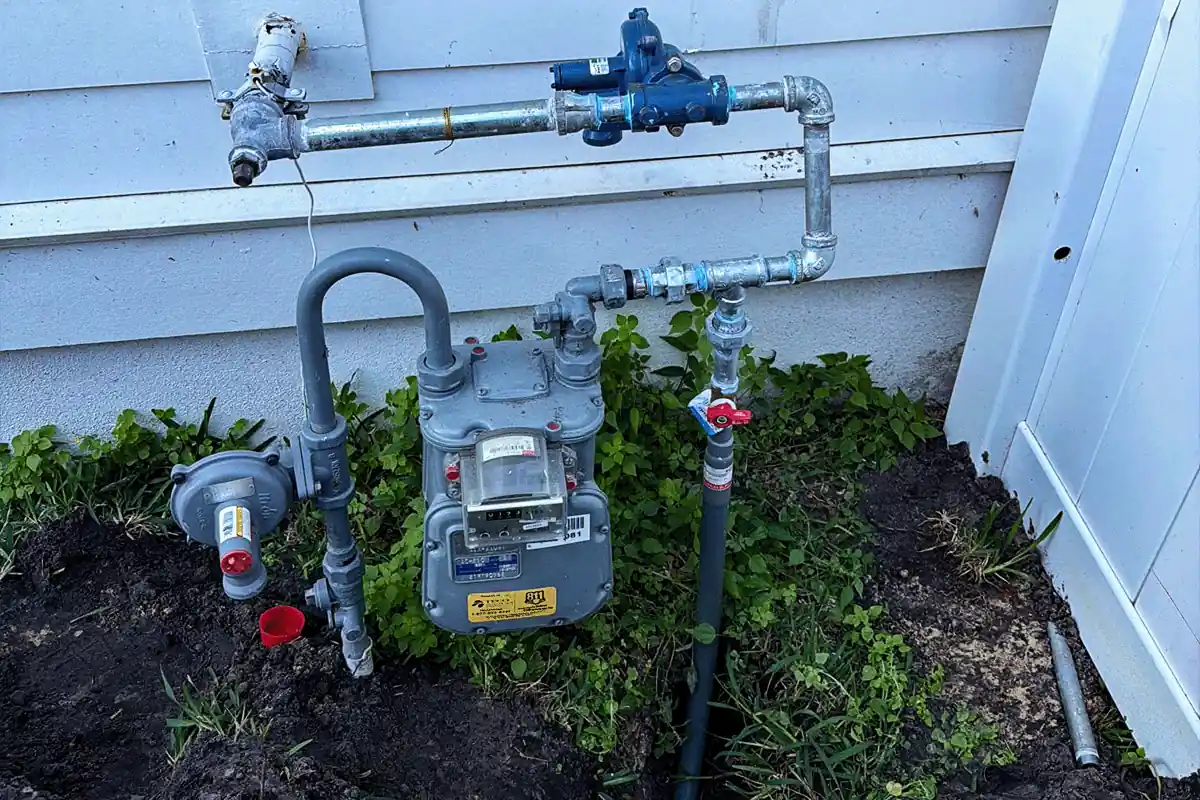
Gas plumbing covers every pipe that carries natural gas or propane through your home or business. That includes the line from your meter to your stove, water heater, dryer, or fireplace. It also covers brand-new gas service for a home that never had it. A single loose fitting or worn-out section of pipe can turn into a safety hazard fast.
EVERYDAYPLUMBER.com installs, repairs, and inspects gas lines across Hillsborough, Pinellas, and Pasco counties.
How a Gas Plumbing Job Works
Every job starts with an inspection of your existing line or your proposed route. Our plumbers size the pipe correctly for the appliances it will serve. We pull the required permit before any work begins. After installation or repair, the line is pressure-tested to confirm there are no leaks. A local inspector signs off before gas is ever turned back on. Skipping any one of these steps is how homes end up with hidden hazards.
We handle natural gas and propane systems for residential and commercial properties alike. That covers new construction, additions, appliance hookups, and full-line replacements. Our trucks run Tampa, St. Petersburg, Clearwater, and the surrounding Tampa Bay area every day. Whether it's one stove connection or a full commercial kitchen system, our team has handled it.
Why Tampa Bay Chooses EVERYDAYPLUMBER.com for Gas Plumbing
New Gas Line Installation in Tampa Bay
Connecting a home or business to gas service for the first time takes careful planning. Our plumbers size the line, choose the right route, and coordinate every permit your jurisdiction requires. Whether you're in the City of Tampa, Hillsborough County, Pinellas County, or Pasco County, we handle the paperwork so you don't have to.
Extending an Existing Gas Line
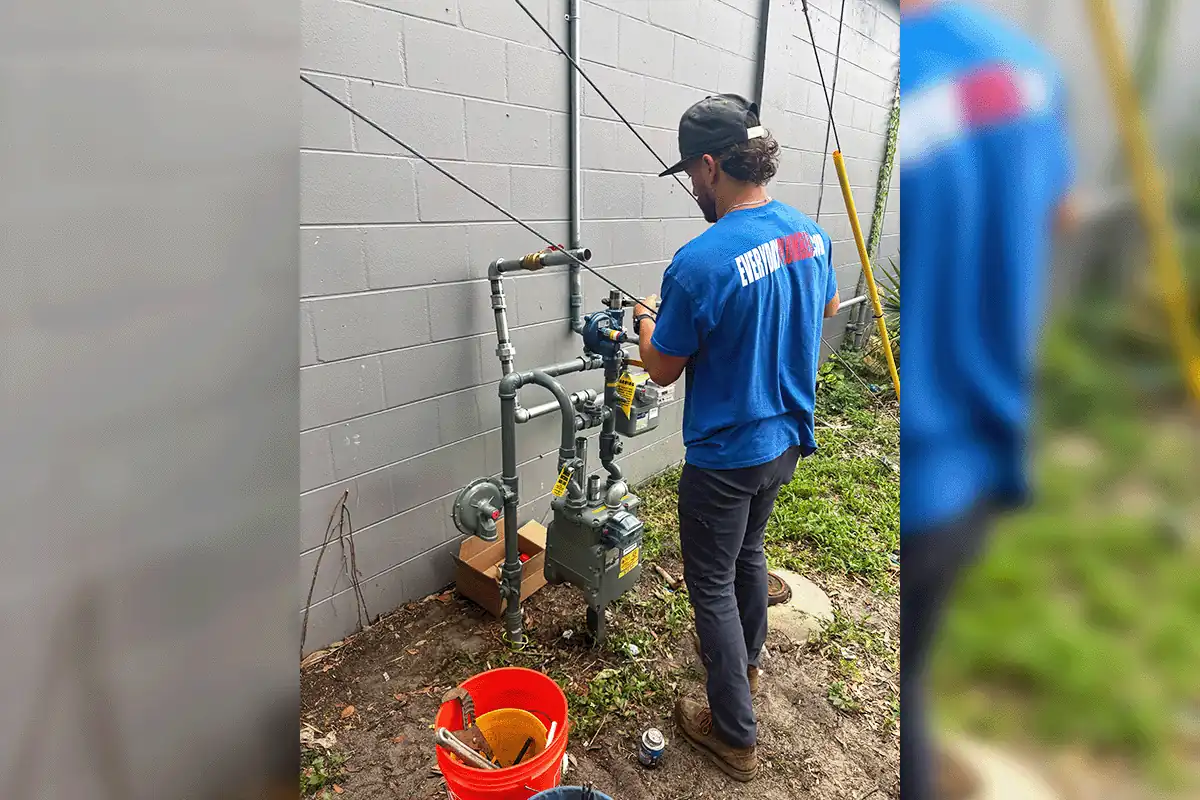
Adding a new appliance to a home that already has gas is common — and it isn't as simple as tapping into the nearest pipe. We check whether your existing system has the capacity to handle another appliance before we connect anything. If it doesn't, we size up the line rather than risk starving your other appliances of gas pressure.
Outdoor Living & New Construction
Fire pits, outdoor kitchens, pool heaters, and built-in grills have become standard requests for Tampa Bay homeowners upgrading their backyards. Buried gas lines for these features must sit at least 12 inches deep under Florida code, or 8 inches for individual appliance lines like grills and fire pits in approved locations. We handle the trenching, the pipe, and the inspection from start to finish.
What to Expect From the Permit Process
Florida requires a permit for gas line work, full stop — and only a licensed contractor can pull one on your behalf. Our team submits the paperwork, schedules the inspection, and stands behind the final pressure test. If a contractor ever suggests skipping the permit to save time, that's a sign to call someone else.
Gas Line Repair & Leak Detection
A damaged gas line isn't something to wait on. Natural gas is odorless on its own — utilities add a chemical called mercaptan specifically so a leak smells like rotten eggs or sulfur. If you notice that smell, hear a hissing sound near a pipe or appliance, or see an unexplained jump in your gas bill, treat it as a leak until a professional tells you otherwise.
If You Smell Gas
Leave the building immediately — don't stop to search for the source. Don't flip a light switch, don't use your phone inside, and don't try to shut off appliances yourself. Once you're safely away, call 911 and Peoples Gas. Only after the gas has been shut off should a plumber return to make the repair.
How We Find a Leak
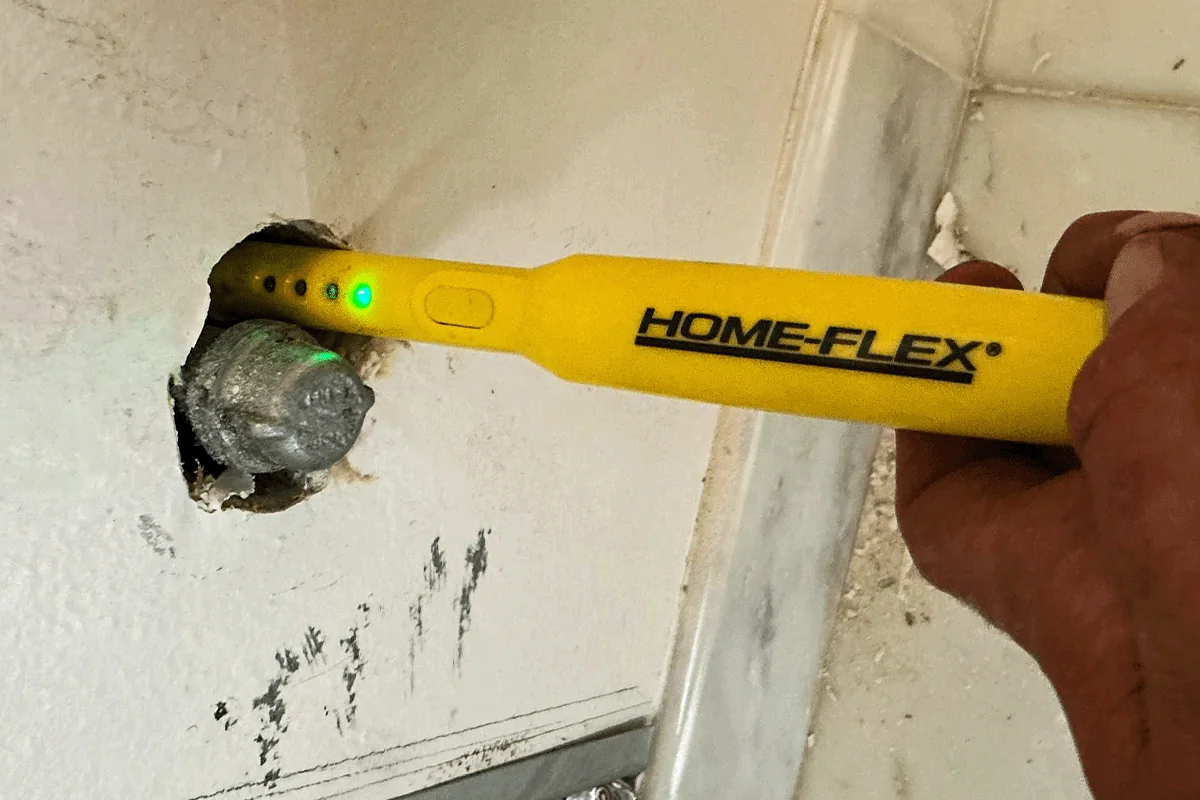
Not every leak announces itself with a smell. Some are slow, underground, or hidden behind a wall. Our plumbers use electronic leak detection equipment to pinpoint the exact location without guesswork or unnecessary digging. Once we've confirmed the source, we repair it and pressure-test the line before we call the job done.
Signs You Shouldn't Ignore
Beyond the smell of gas, watch for a patch of dead or discolored grass above a buried line, a pilot light that won't stay lit, or a gas appliance that suddenly seems less efficient. None of these are DIY diagnoses — a licensed plumber has the tools to confirm what's actually happening underground.
What Kind of Pipe Is Used for Gas Lines?
Florida's building code is specific about what can and can't carry gas through your home. Getting the material right isn't a style choice — it's a safety and code requirement. Here's what we install, and why.
Black Steel Pipe
Black steel has been the standard for gas piping for decades, and for good reason. It's rigid, durable, and holds up to the pressure and heat demands of a gas system for the long haul. It takes longer to install than flexible alternatives since every joint is threaded, but it remains the workhorse choice for many Tampa Bay homes and businesses.
CSST — Flexible Corrugated Stainless Tubing
CSST is a flexible stainless steel gas line that has become common in newer construction and additions. It bends by hand around obstacles, cuts installation time significantly compared to threaded steel, and reduces the number of joints where a leak could start. It does come with one requirement Tampa Bay homeowners should know about — covered in the next section.
Polyethylene Pipe for Underground Runs
Polyethylene, or poly pipe, is the standard material for gas lines buried underground between the meter and the building, or out to a detached structure. It resists corrosion in a way metal pipe can't, which matters in Florida's damp, high-water-table soil.
What Florida Code Does Not Allow
Cast iron pipe is prohibited for gas lines under the Florida Building Code — a contrast to drain lines, where cast iron was once standard. PVC and CPVC are prohibited as well, even though PVC is the modern standard for drain and sewer work. If a gas line on your property uses either material, it needs to be replaced.
CSST Bonding — A Tampa Bay Priority
Tampa Bay sits in one of the most lightning-active regions in the country. That matters for more than just your roof and your electronics — it matters for your gas line, too, if your home has CSST.
Why Bonding Matters Here
A nearby lightning strike doesn't need to hit your house directly to cause damage. The surge can travel through the ground and energize metal systems inside your home, including gas piping. Older “yellow jacket” CSST has thin corrugated walls — thin enough that an electrical arc can burn a pinhole straight through it, creating a gas leak with no obvious cause.
What Proper Bonding Does
Florida code requires CSST systems to be bonded directly to your home's electrical grounding system, using a dedicated copper conductor. Bonding gives that electrical charge a safe path to ground instead of a path through your gas line. Newer “black jacket” arc-resistant CSST is built to handle this on its own, but older yellow CSST needs the added bonding connection to meet code. On every CSST job, we verify the bonding is in place and up to current standard — not just “technically grandfathered” from whenever it was installed.
Commercial Gas Plumbing in Tampa Bay
Commercial gas systems carry more risk and more complexity than a residential line. A restaurant kitchen, a multi-family property, or an industrial facility all demand precise sizing, proper permitting, and zero shortcuts. EVERYDAYPLUMBER.com handles commercial gas line installation, repair, and leak detection across Hillsborough, Pinellas, and Pasco counties.
Commercial Kitchens & Equipment
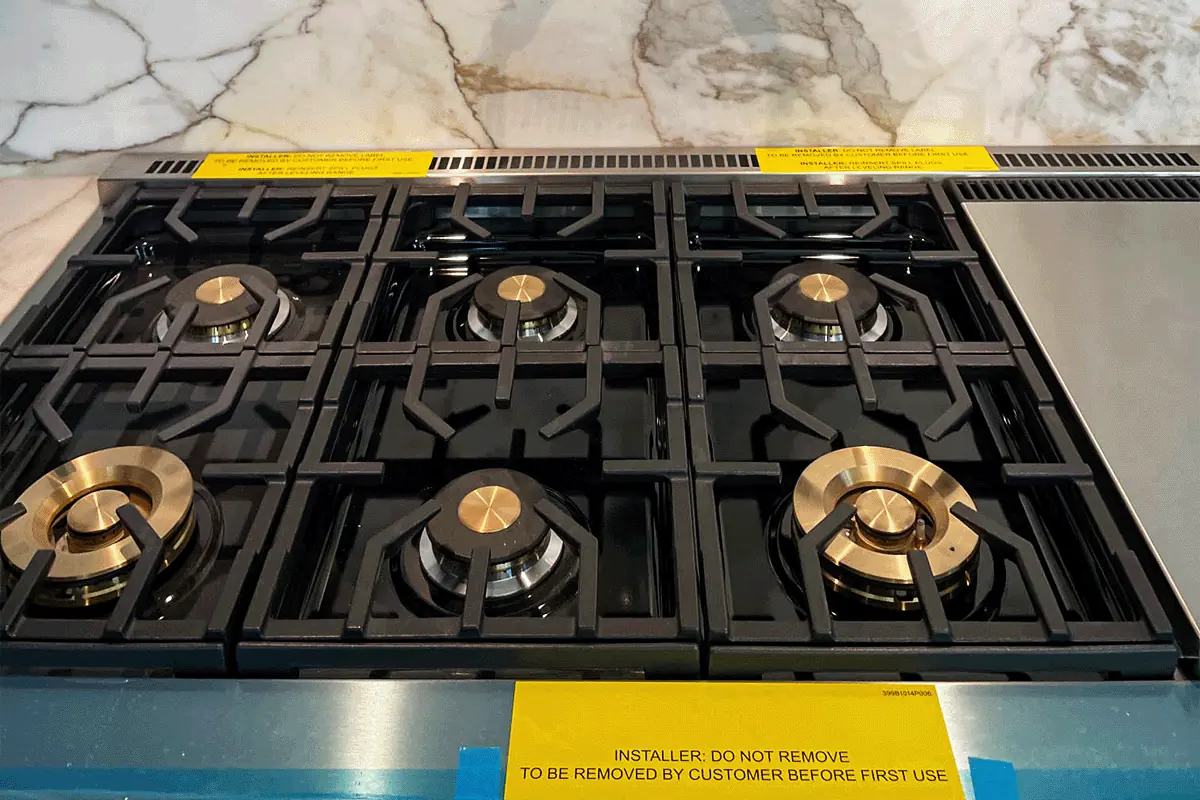
Ranges, fryers, ovens, steamers, and other commercial kitchen equipment each demand a properly sized and inspected gas connection. Undersized piping shows up as weak flames and inconsistent cooking temperatures — a problem no commercial kitchen can afford. We size the whole system to the full equipment load, not just the appliance directly in front of us.
New Buildouts & Renovations
New restaurant buildouts, equipment upgrades, and commercial renovations all require permitted gas work before a single appliance gets connected. We coordinate directly with City of Tampa and county building departments to keep your project moving instead of stalled on paperwork.
Gas Appliance & Fuel Line Connections
Every gas appliance in your home or business connects back to the same system — which means one plumber should know all of it, not just one corner of it.
Gas Water Heaters
Gas water heaters — tank and tankless, indoor and outdoor mounted — are one of the most common gas connections we handle. See our gas water heater page for the full breakdown of tank versus tankless.
Whole-Home Generators
After Hurricane Helene and Hurricane Milton, more Tampa Bay homeowners are looking at whole-home standby generators — and a natural gas or propane generator needs a properly sized, permitted fuel line just like any other appliance. Peoples Gas actively tracks natural gas generator installations for infrastructure planning, which tells you how common this request has become. We handle the gas connection from line sizing through final inspection.
Pool Heaters, Fireplaces & Dryers
Gas pool and spa heaters, fireplaces, and gas dryers all need a correctly sized line and a proper shutoff valve. We connect new units and troubleshoot existing ones that are underperforming — often a sizing or pressure issue rather than a problem with the appliance itself.
Natural Gas vs. Propane in Tampa Bay
Not every property in our service area has access to the same fuel. Knowing which one serves your address changes how a new line gets installed.
Where Natural Gas Service Is Available
Peoples Gas has served Florida since 1895 and runs natural gas lines through much of urban and suburban Hillsborough, Pinellas, and Pasco counties. If a main line runs near your property, connecting is usually the simpler and more cost-stable long-term option.
Where Propane Fills the Gap
Properties outside the natural gas footprint — often in more rural or outlying parts of the tri-county area — rely on propane tanks instead. Propane is also common for portable or outdoor-only applications like grills and fire features, even on properties that otherwise have natural gas. We install and service both, and we handle appliance conversions if you're switching from one fuel type to the other.
Why Gas Plumbing Isn't a DIY Project
A mistake on a water line means a wet floor. A mistake on a gas line can mean an explosion. That difference is why gas work carries its own licensing requirements on top of a general plumbing license.
Questions Worth Asking Before You Hire Anyone
Before you let anyone touch a gas line, ask if they're specifically licensed for gas work, not just general plumbing. Ask if they carry insurance. Ask if they'll pull the required permit — and be wary of anyone who suggests skipping it. Ask if they'll pressure-test the line when the work is done. A licensed plumber will answer all four without hesitation.
Where the Line of Responsibility Falls
Peoples Gas maintains the line up to your meter. Everything from the meter into your home or business — including every appliance connection — is the property owner's responsibility. That's exactly the piping we install, repair, and maintain.
What Your Insurance May or May Not Cover
Sudden, accidental gas line damage — a tree falling on the line, a contractor cutting into it during other work — is typically covered under a standard homeowners policy. Gradual deterioration and corrosion over time is usually excluded. It's worth a call to your insurer to ask whether a service line rider makes sense for your property.
Flexible Payment Options
A new gas line installation or a full appliance conversion can be a bigger job than a household plans for. EVERYDAYPLUMBER.com offers financing through GreenSky, so you can get it done now and pay over time. Ask about flexible payment options when you schedule.
Frequently Asked Questions About Gas Plumbing
What Tampa Bay Says
Showed up when they said, explained what was wrong with the main line and showed me the camera footage before quoting. No pressure, no surprises on the invoice.
Water heater died on a Saturday. They walked me through what could wait and what could not, and had it replaced first thing Monday at the price they quoted.
Repiped our whole house. Crew was clean, on time, and the office actually answered the phone every time I called. That is rarer than it should be.
Gas Plumbing Services Across Tampa Bay
EVERYDAYPLUMBER.com installs and repairs gas lines throughout Hillsborough County, Pinellas County, and Pasco County. That includes Tampa, Brandon, Carrollwood, Temple Terrace, Lutz, St. Petersburg, Clearwater, and Wesley Chapel, along with the surrounding communities in between. Wherever you are in the Tampa Bay area, our licensed plumbers are ready to handle your gas plumbing needs, residential or commercial.
Ready to Schedule Gas Plumbing Service?
Whether it's a new gas line, a repair, or a full appliance hookup, EVERYDAYPLUMBER.com is ready to help. Our licensed plumbers handle natural gas and propane systems for homes and businesses across Tampa Bay. From permits to pressure testing, we manage every step so you don't have to think twice about it. Give us a call, and let's get your gas plumbing handled right.