
HYDRO JETTING SERVICES
SAME-DAY SERVICE ACROSS HILLSBOROUGH, PINELLAS
- Tampa | St. Petersburg | Clearwater | Brandon | Wesley Chapel
- Hydro jetting removes grease, scale & roots
- Camera inspections | Cable first when necessary
- Residential & commercial | Emergency service
What Is Hydro Jetting? The Complete Explanation
Hydro jetting is a professional drain cleaning method that uses high-pressure water (up to 8,000 PSI) delivered through specialized rotating nozzles to completely scour the inside walls of sewer and drain pipes, removing grease, mineral scale, tree roots, and debris that standard drain snaking cannot eliminate.
When a plumber snakes your drain, the cable breaks through the clog but leaves residue clinging to pipe walls — grease, soap scum, mineral deposits, and root fragments. Within months, debris may build up again on that residue allowing the clog to return. That’s why you’re calling the plumber every 6–12 months for the same problem.
Hydro jetting solves this. Instead of punching a hole through the clog, hydro jetting uses pressurized water delivered through forward-facing and rear-facing rotating nozzles to scour every inch of pipe wall completely clean — removing not just the current blockage but the coating of buildup that causes recurring clogs.
HOW HYDRO JETTING WORKS
- A video camera inspection identifies the clog location and assesses pipe condition
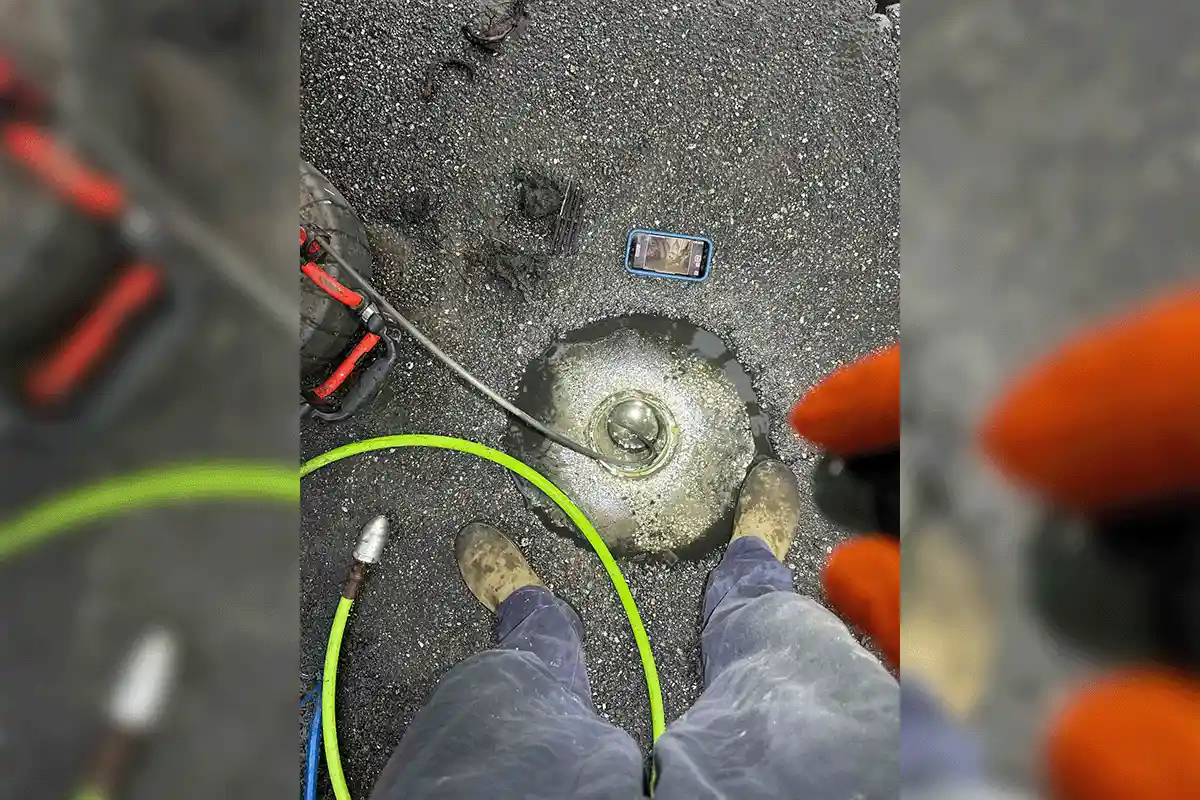
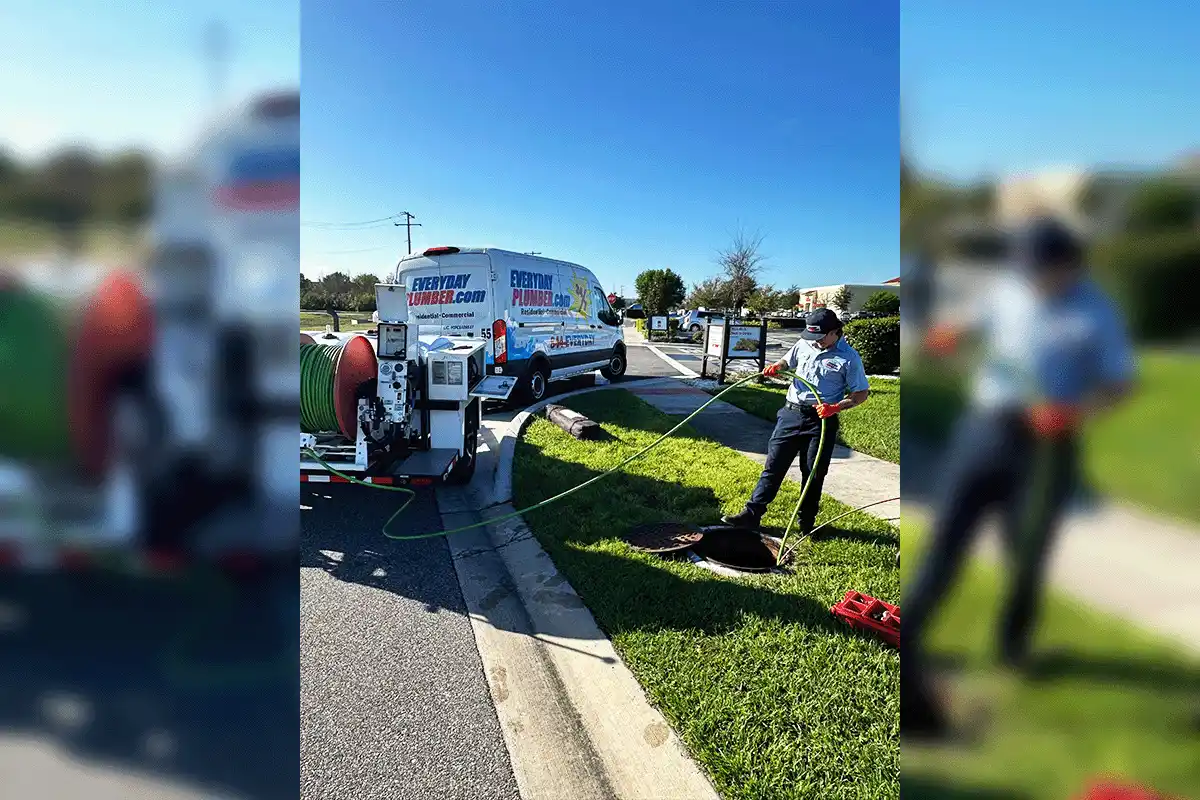
- The hydro jetting hose (typically 200–500 feet long) is inserted through a cleanout or drain opening
- Water pressure (1,500–4,000 PSI depending on pipe type) is delivered through specialized nozzles
- The technician works the hose back and forth through the entire pipe length, scouring walls clean
- Debris is flushed forward into the municipal sewer or septic system
- A follow-up camera inspection confirms complete cleaning
The result: pipes restored to near-original flow capacity, potentially eliminating clogs for years instead of months.
WHAT & WHERE WE SERVICE
Residential and commercial drain lines across Tampa, St. Petersburg, Clearwater, Brandon, Wesley Chapel, and surrounding areas in Hillsborough, Pinellas, and Pasco. Main sewers, septic laterals, kitchen lines, laundry, tubs and showers, and problem toilets — if it drains, we can jet it. We jet any drain size from 2-18 inch diameter pipes.
Why Tampa Bay Properties Need Hydro Jetting
In short: Tampa Bay’s unique plumbing challenges — hard mineral-rich water, fast-growing tree roots, aging cast iron and clay pipes, and grease buildup from decades of use — make hydro jetting the best drain cleaning method for long-lasting results.
Standard drain cabling works for simple clogs. But Tampa’s plumbing infrastructure creates conditions where cabling alone may not solve the problem.
Challenge 1: Tampa’s Hard Water Buildup
Tampa’s water quality issue: The Tampa Bay area’s water supply — drawn from the Hillsborough River and Tampa Bay Water’s regional desalination plants — contains elevated levels of calcium carbonate, magnesium, and other minerals.
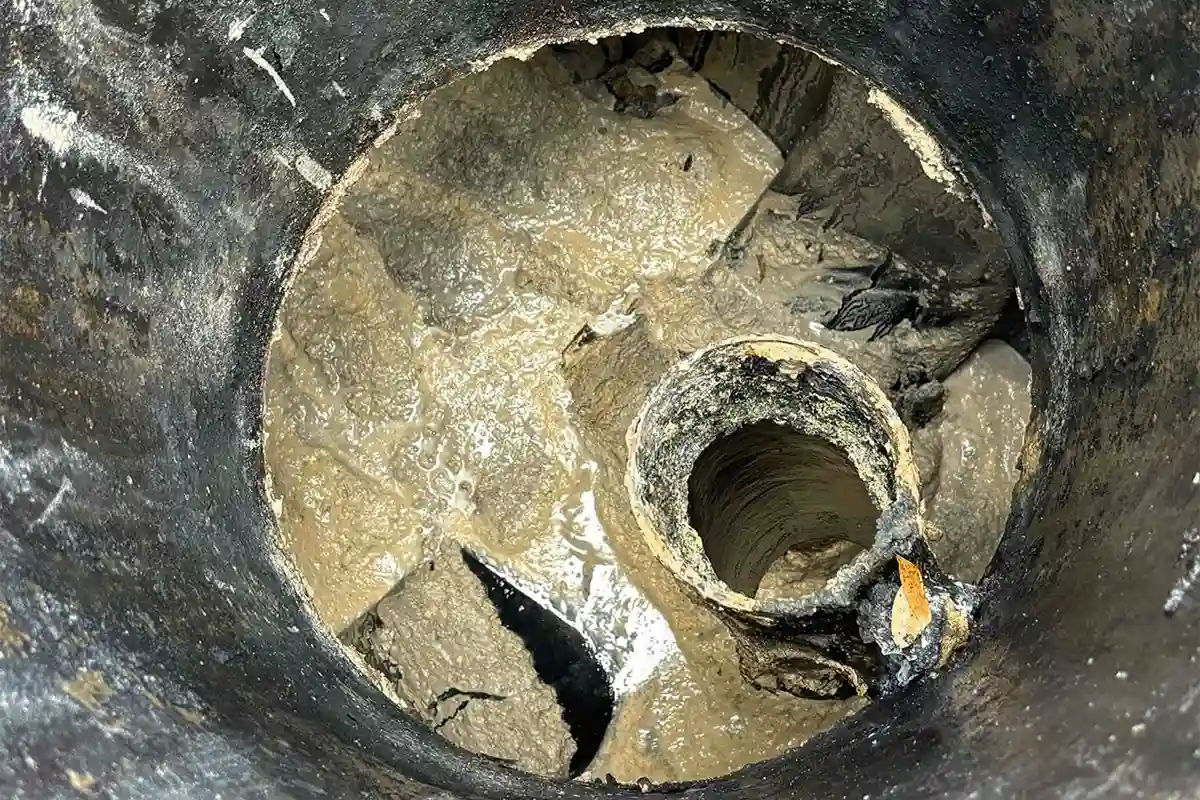
Over years of use, these minerals coat the inside of drain pipes with a rock-hard scale that reduces pipe diameter and creates a rough surface where grease, hair, and debris easily catch. In severe cases, decades-old cast iron pipes in South Tampa and Seminole Heights can lose 30–50% of their internal diameter to mineral scale.
Why hydro jetting works: The 4,000 PSI water pressure combined with rotating nozzles breaks apart mineral scale and flushes it completely out of the pipe. Standard cabling just punches through — leaving the scale intact to re-clog within months.
Challenge 2: Tree Root Intrusion
Tampa’s root problem: Florida’s fast-growing vegetation — oak trees, ficus, and the aggressive lateral root systems common throughout Tampa — actively seeks moisture. When roots find a crack or joint in your sewer line, they grow inside the pipe and create a net that catches toilet paper, grease, and waste.
What happens with cabling: A drain cable cuts through roots temporarily, but root fragments remain clinging to pipe walls. Within 6–12 months, roots regrow from those fragments and the clog returns.
What happens with hydro jetting: The high-pressure water stream cuts roots into small pieces and flushes them completely out of the pipe. While roots will eventually grow back (they’re coming from outside the pipe), hydro jetting buys you 2–5 years instead of 6–12 months.
Challenge 3: Aging Cast Iron & Clay Pipes
Tampa’s pipe age problem: Homes built during Tampa’s 1950s–70s construction boom have cast iron drain lines inside the house and clay sewer lines running to the street. After 50–70 years of use:
- Cast iron develops rust channels (“zipper” corrosion) along the bottom where waste water flows
- Clay pipes have separated joints from soil movement and tree root pressure
- Both pipe types accumulate decades of scale, grease, and organic buildup on their rough interior surfaces
Why this matters: Rough, corroded pipe walls grab onto everything flowing through them. Cabling removes the current clog but can’t smooth the pipe surface. Hydro jetting scours the rust and buildup completely off, restoring smooth flow.
Safety note: EVERYDAYPLUMBER.com always performs a video camera inspection before hydro jetting to assess pipe condition. If pipes are severely deteriorated, we adjust pressure or recommend repair/replacement instead of risking pipe damage.
Challenge 4: Grease & Soap Scum Accumulation
The kitchen drain problem: Every time you wash dishes, grease and food particles go down your kitchen drain. Even if you scrape plates and avoid pouring grease directly down the sink, residual cooking oils coat your pipes over time.
Over months and years, grease hardens into a waxy coating that narrows the pipe diameter. Soap scum from bathroom drains does the same thing — combining with hair and creating a sticky mass that catches everything flowing through.
Why cabling fails: A drain cable breaks through grease buildup but leaves the coating on pipe walls. Hydro jetting liquefies grease with hot water (if needed) or blasts it off with sheer pressure, flushing it completely out of the system.
This is especially critical for commercial kitchens — restaurants, cafeterias, and food service facilities where grease volume is 10–100x higher than residential.
When You Need Hydro Jetting vs. Standard Drain Cleaning
Quick decision guide: Choose hydro jetting when you have recurring clogs (same drain backing up every few months), slow drains throughout the house, known tree root problems, very old pipes with decades of buildup, or when you’re preparing to sell a home and want to prevent future drain issues.
Not every clog needs hydro jetting. Here’s when each method makes sense:
When Standard Drain Cabling (Snaking) Works
- First-time clog in a relatively new drain line (less than 20 years old)
- Single isolated drain backing up (one toilet, one sink) with no other symptoms
- Simple blockage caused by a foreign object (toy, sanitary product, excessive toilet paper)
- Budget-sensitive situations where you need immediate relief and can accept that the clog may return
See our Standard Drain Cleaning Services
When Hydro Jetting Is the Right Choice
- Recurring clogs — same drain backs up every 3–12 months despite repeated cabling
- Multiple drains slow — entire house drainage is sluggish, not just one fixture
- Tree roots confirmed — camera inspection shows root intrusion
- Grease buildup — especially common in kitchen drains and commercial properties
- Mineral scale — hard water areas (all of Tampa Bay qualifies)
- Aging pipes — homes built before 1980 with original cast iron or clay drain lines
- Selling your home — eliminate future drain problems before buyer’s inspection
- Preventive maintenance — proactively clean pipes every 3–5 years to avoid emergency clogs
Cost comparison: Hydro jetting costs more than standard cabling upfront, but eliminates the need for repeated service calls every 6–12 months. Over 3–5 years, hydro jetting saves you money.
The EVERYDAYPLUMBER.com Hydro Jetting Process
Our process: (1) Video camera inspection to locate clogs and assess pipe condition, (2) Hydro jetting with pressure adjusted for your specific pipe type, (3) Follow-up camera inspection to confirm complete cleaning, (4) Written documentation of before/after condition for your records.
Here’s exactly what happens when you schedule hydro jetting service:
Step 1: Video Camera Inspection (Always First)
Before we hydro jet anything, we insert a waterproof camera into your drain line to see exactly what we’re dealing with:
- Clog location — how far from the cleanout, what’s causing it
- Pipe material — cast iron, clay, PVC, Orangeburg
- Pipe condition — cracks, separations, bellies, collapse, severe corrosion
- Root severity — if roots are present, how extensive the intrusion is
- Scale/buildup thickness — how much cleaning is required
Why this matters: If pipes are severely deteriorated, hydro jetting could cause further damage. We assess first, then recommend the safest effective approach — sometimes that’s hydro jetting at reduced pressure, sometimes it’s partial cleaning followed by repair, sometimes it’s cabling only.
You see the camera footage on-site. We explain what we’re seeing in plain language. No surprises.
Step 2: Hydro Jetting at the Right Pressure & With the Right Nozzle
Our hydro jetting equipment can deliver up to 4,000 PSI — but we don’t always use maximum pressure, and pressure is only half the equation. Every job requires matching the correct nozzle to what the camera revealed.
How we select nozzle and pressure for your pipe:
- Root-cutting nozzle — shears fibrous roots and flushes them out of the line. Used when the camera confirms root intrusion.
- Rotary spinner nozzle — 360° wall wash that strips grease and soap scum from kitchen and bathroom drain walls. The go-to for buildup without roots.
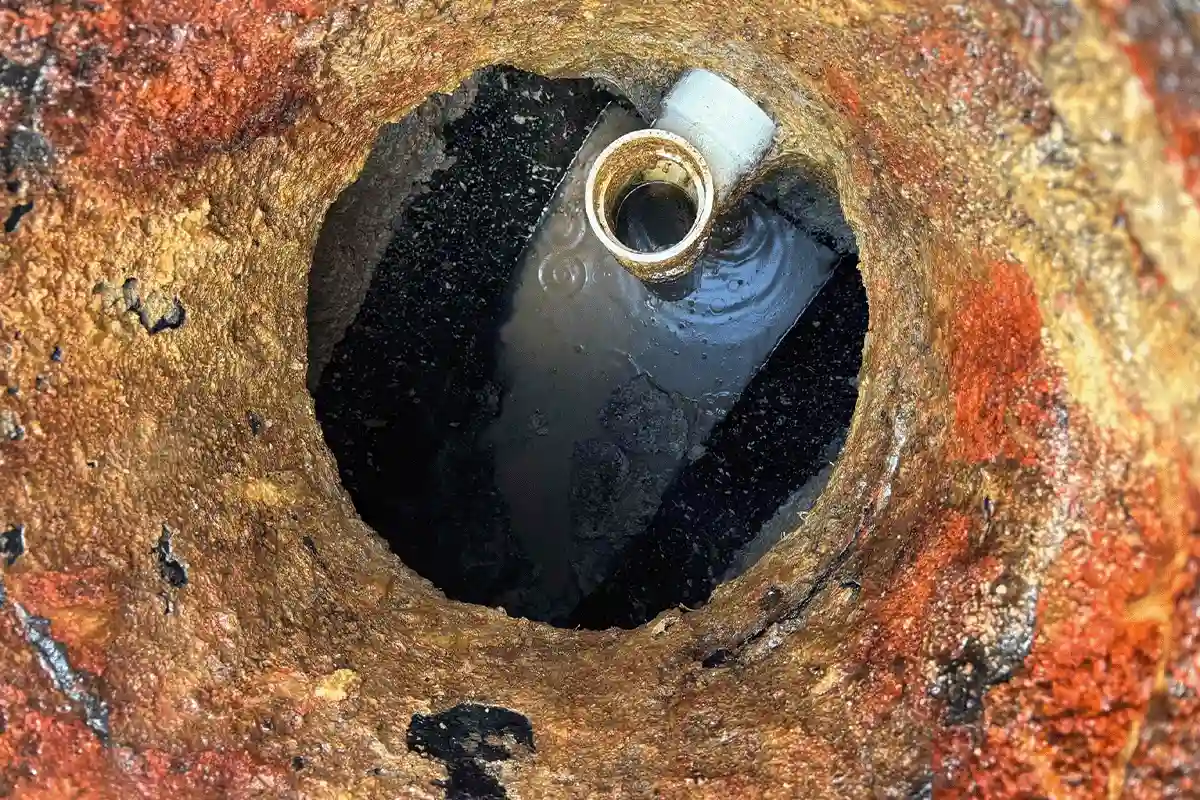
- De-scaler / chain cutter — knocks mineral scale and corrosion off aging cast iron and restores flow diameter. Used on older Tampa homes with decades of hard water buildup.
- Penetrator / ram nozzle — opens a pilot hole in hard, compacted blockages so the jet stream can work through completely.
- Flusher / sand nozzle — moves sand, silt, and construction debris without burying the hose. Common in newer construction or post-storm cleanouts.
Pressure settings are adjusted based on pipe material:
- Schedule-40 PVC (properly installed): 2,500–4,000 PSI
- Schedule-40 PVC (improperly installed): Standard pressure is appropriate for the pipe itself, but bellies, misaligned joints, or insufficient slope revealed by camera inspection may require repair before or after jetting produces lasting results.
- Thin-wall PVC (often blue or light blue in color): 1,500–2,500 PSI — lower pressure required as thin-wall is prone to cracking or collapsing under aggressive jetting. Camera inspection first is essential.
- Cast iron in good condition: 2,000–3,500 PSI
- Clay pipes: 1,500–2,500 PSI
- Orangeburg: We do not hydrojet Orangeburg because of its fragility. It is always preferable to replace the entire drain with code-compliant Schedule 40 PVC.
If the camera shows a break, offset, or collapse, we’ll show you the footage and discuss repair options — we never force a compromised line. The technician works the hose back and forth through the entire affected pipe length, from cleanout to municipal connection or septic tank, ensuring complete wall-to-wall cleaning.
How long it takes: Most residential hydro jetting jobs take a day’s work depending on pipe length and severity of buildup. Commercial jobs with longer pipe and complex drain systems can take one or multiple days.
Step 3: Follow-Up Camera Inspection
After hydro jetting, we run the camera through again to confirm:
- Blockage completely removed
- Pipe walls scoured clean (no residue left behind)
- No new damage caused by the jetting process
- Water flowing freely through entire pipe length
You see before-and-after footage showing the transformation. The difference is dramatic — corroded, scale-coated pipes restored to near-original flow capacity.
Step 4: Written Documentation & Recommendations
You receive:
- Summary of work performed
- Before/after camera footage (digital copy available on request; ask your plumber for details)
- Condition assessment of your drain system
- Recommendations for future maintenance (if any)
- Warranty information on our work
If the camera inspection revealed structural issues (cracks, separations, severe corrosion), we provide a written estimate for repair or replacement with practical steps on how we would proceed.
Residential vs. Commercial Hydro Jetting
Key difference: Residential hydro jetting typically clears 50–200 feet of 3–4 inch drain lines with grease, hair, soap scum, and occasional roots. Commercial hydro jetting handles 200–500+ feet of 4–8 inch (and bigger) lines with heavy grease accumulation, industrial waste, and high-volume debris requiring specialized equipment and longer service times.
Residential Hydro Jetting
Common applications:
- Main sewer line from house to street (50–150 feet typical)
- Kitchen drain lines with grease buildup
- Bathroom drains with hair and soap scum
- Laundry drain lines
- Basement floor drains
Typical cost: Several hundred dollars for standard residential service
Frequency: Every 3–5 years for preventive maintenance, or as-needed for recurring clogs
Commercial Hydro Jetting
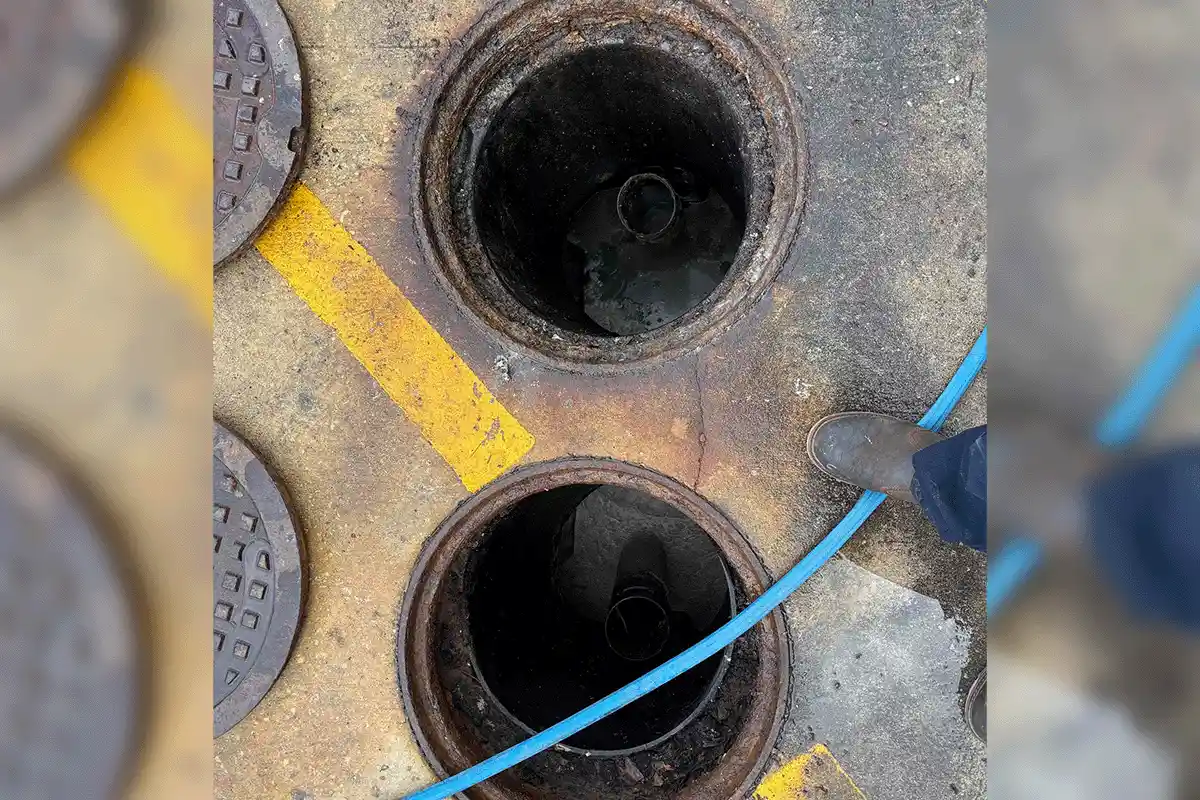
Common applications:
- Restaurant kitchens — grease traps, floor drains, dishwasher drains (highest grease volume)
- Shopping centers & retail — shared sewer mains, restroom drains
- Medical facilities — high standards for sanitation and drainage
- Schools & institutions — cafeterias, multi-user restrooms
- Industrial facilities — process drains, chemical-resistant pipe systems
- HOAs & apartment complexes — building mains serving multiple units
Why commercial is different:
- Larger pipe diameter (4–8 inches vs. 3–4 inches residential)
- Longer pipe runs (200–500+ feet vs. 50–150 feet)
- Heavier buildup (commercial kitchens produce 10–100x more grease than homes)
- After-hours scheduling required to minimize business disruption
- Health department compliance documentation often needed
- Preventive maintenance contracts common (quarterly or bi-annual service)
Typical cost: Several hundred to over a thousand dollars depending on system size and complexity
EVERYDAYPLUMBER.com has a dedicated commercial team available for after-hours and emergency service to minimize your business downtime.
Common Questions About Hydro Jetting
What is hydro jetting?
Quick answer: Hydro jetting is a professional drain cleaning method that uses high-pressure water (up to 4,000 PSI) delivered through specialized rotating nozzles to scour the inside walls of sewer and drain pipes completely clean, removing grease, scale, roots, and debris that standard drain snaking cannot eliminate.
See full explanation in “What Is Hydro Jetting?” section above.
How much does hydro jetting cost in Tampa?
Quick answer: Most residential hydro jetting services in Tampa cost several hundred dollars depending on clog severity, pipe length, and accessibility. Commercial hydro jetting typically ranges from several hundred to well over a thousand for larger systems.
What affects the price:
- Pipe length — 50 feet costs less than 200 feet
- Clog severity — heavy grease or extensive root intrusion takes longer
- Accessibility — easy cleanout access vs. need to remove toilet or dig to access line
- Pipe condition — if camera inspection reveals structural issues requiring repair
- Residential vs. commercial — commercial systems are larger and more complex
EVERYDAYPLUMBER.com provides upfront written quotes before work begins. The price we quote is the price you pay — no surprise charges.
Is hydro jetting safe for old pipes?
Quick answer: Hydro jetting is safe for most pipe types when performed by trained professionals who adjust pressure settings appropriately. EVERYDAYPLUMBER.com always performs a video camera inspection first to assess pipe condition before hydro jetting.
How we protect your pipes:
- Camera inspection first — we see cracks, separations, severe corrosion before starting
- Pressure adjustment — PVC gets higher pressure, clay/Orangeburg gets lower pressure
- Experienced technicians — our team is trained to recognize pipe stress and adjust accordingly
- Conservative approach — when in doubt, we use lower pressure or recommend repair first
When we don’t hydro jet:
- Severely corroded cast iron with rust holes
- Collapsed or bellied clay pipes
- Orangeburg pipe (recommend replacement)
- Recent pipe repairs that haven’t fully cured
If your pipes are too fragile for hydro jetting, we’ll tell you before starting and recommend the safest alternative — usually sewer repair or replacement.
When should I choose hydro jetting over drain snaking?
Quick answer: Choose hydro jetting when you have recurring clogs (same drain backing up every few months), grease buildup, tree root intrusion, mineral scale coating pipes, or when drain snaking only provides temporary relief lasting 3–12 months.
See full comparison in “When You Need Hydro Jetting vs. Standard Drain Cleaning” section above.
Does hydro jetting work on tree roots?
Quick answer: Yes. Hydro jetting is highly effective at cutting through tree roots and removing root masses from sewer lines. The high-pressure water stream breaks apart roots and flushes debris completely out of the pipe, providing 2–5 years of relief vs. 6–12 months with cabling.
Important clarification: Hydro jetting removes roots that are already inside your pipes, but it doesn’t kill the tree or prevent roots from growing back. Roots are coming from outside the pipe (through cracks or joints), so they will eventually return.
Long-term solutions for root problems:
- Hydro jetting every 2–3 years as preventive maintenance before full blockage occurs
- Root barrier installation around sewer lines (physical barrier in soil)
- Pipe repair or replacement to eliminate cracks/joints where roots enter
- Chemical root treatment (copper sulfate) after hydro jetting to slow regrowth
If camera inspection shows extensive root damage to the pipe structure itself, we’ll recommend repair or replacement rather than ongoing hydro jetting.
How often should I hydro jet my drains?
Quick answer: For preventive maintenance, hydro jet your main sewer line every 3–5 years. For properties with known tree root problems, grease-heavy usage (commercial kitchens), or aging cast iron pipes, hydro jet every 1–2 years.
Frequency guidelines:
- New homes (built after 2000): Every 5–10 years or only as-needed for clogs
- Homes built 1980–2000: Every 3–5 years preventive maintenance
- Homes built before 1980: Every 2–3 years (aging pipes accumulate buildup faster)
- Properties with large trees near sewer lines: Every 1–2 years
- Commercial kitchens: Every 6–12 months (grease accumulation is rapid)
Signs you’re overdue for hydro jetting:
- Drains are slow throughout the house (not just one fixture)
- Gurgling sounds when flushing toilets or running water
- Sewage smell from drains
- Repeated clogs every few months despite cabling
- It’s been 5+ years since your pipes were professionally cleaned
Can I rent a hydro jetter and do it myself?
Short answer: No. We strongly recommend against DIY hydro jetting.
Why this is dangerous:
- Pipe damage risk — incorrect pressure can crack clay pipes, rupture Orangeburg, or perforate corroded cast iron
- Personal injury risk — 4,000 PSI water pressure can cause severe cuts and injuries
- Ineffective cleaning — without proper nozzles and technique, you’ll waste time and money
- No camera inspection — you won’t see pipe condition, cracks, or damage until it’s too late
- Flooding risk — if you rupture a pipe, you’ve created a much larger problem
The cost difference isn’t worth the risk: Rental hydro jetters cost $200–$400/day plus learning curve and injury risk. Professional service costs a little more than that and includes camera inspection, proper pressure adjustment, expertise, and warranty on the work.
For simple clogs, rent a standard drain snake instead. For anything requiring hydro jetting, hire a professional.
Do you offer emergency hydro jetting service?
Yes. EVERYDAYPLUMBER.com provides emergency plumbing including hydro jetting for severe backups that can’t wait until morning.
When emergency hydro jetting makes sense:
- Sewage backing up into your home or business
- Complete main sewer line blockage (no drains working)
- Commercial kitchen unable to operate due to drain backup
- Health hazard situation requiring immediate resolution
Call (813) 872-0200 any time of any day.
Service Areas — Hydro Jetting Across Tampa Bay
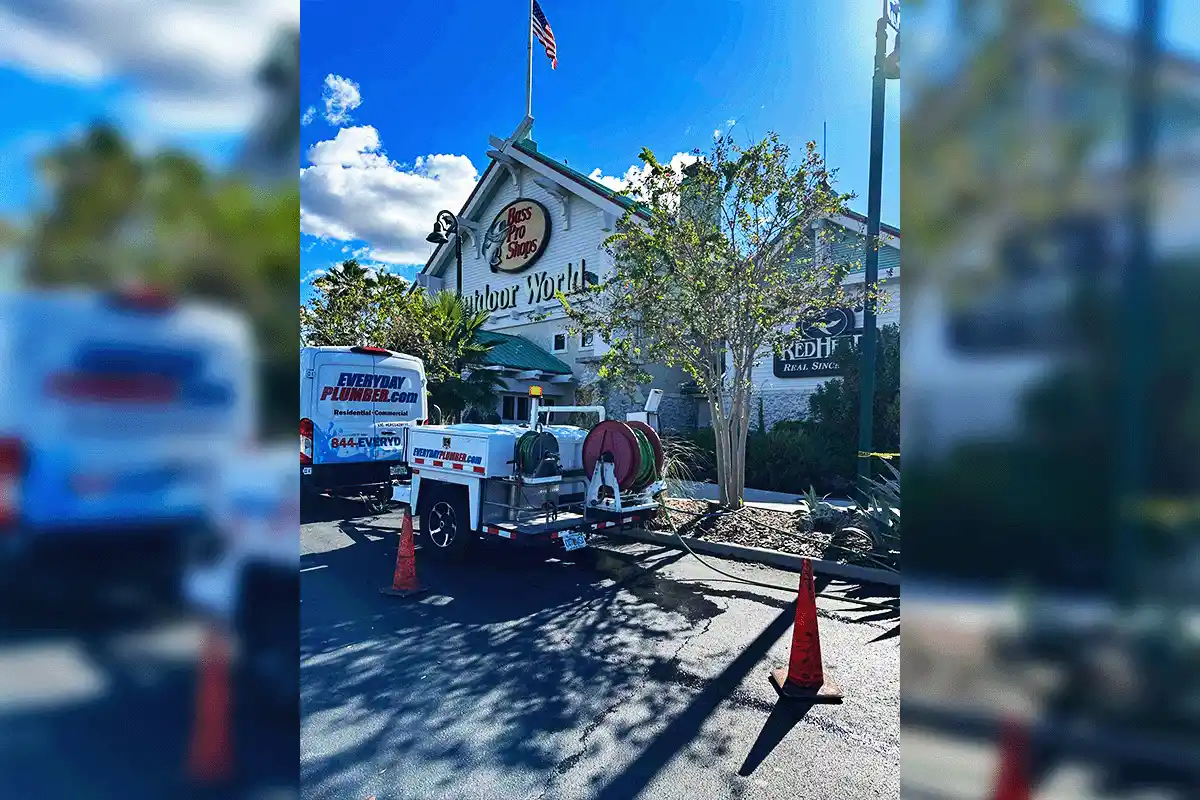
EVERYDAYPLUMBER.com provides professional hydro jetting services throughout Hillsborough, Pinellas, and Pasco counties.
Primary service areas:
- Hillsborough County: Tampa, Brandon, Riverview, Carrollwood, Lutz, Temple Terrace, and all Tampa Bay neighborhoods
- Pinellas County: St. Petersburg, Clearwater, Largo, Pinellas Park, Dunedin, Safety Harbor
- Pasco County: Wesley Chapel, Land O’ Lakes, New Port Richey, Zephyrhills
Same-day service available in most areas. Call anytime for fast, friendly scheduling.
Why Choose EVERYDAYPLUMBER.com for Hydro Jetting
In short: Licensed master plumber on staff, 1,200+ five-star Google reviews, state-of-the-art hydro jetting equipment, video camera inspection always included, upfront pricing with no surprise bills, family-owned Tampa company since 2012.
Professional Equipment & Expertise
- High-capacity hydro jetters capable of 1,500–4,000 PSI
- Multiple nozzle types for different pipe materials and clog types
- 500-foot hoses for long pipe runs
- Video camera inspection equipment on every truck
- All technicians trained and certified in hydro jetting
Camera Inspection Always Included
We never hydro jet blind. Every service includes before-and-after video camera inspection so you see exactly what we’re cleaning and the results we achieved.
You get to view the footage. You can request a digital copy of the footage – ask your technician for more information.
Upfront Pricing — No Surprises
How our pricing works:
- Camera inspection shows us the problem
- We quote the complete job price before starting
- You approve the price
- We complete the work
- Final bill matches the quote — guaranteed
No hidden fees. No hourly rates stacking up. The price we quote is the price you pay.
Licensed, Insured & Experienced
- Florida Certified Plumbing Contractor License #CFC1428537
- All technicians licensed
- $2 million liability insurance
- 13+ years serving Tampa Bay (since 2012)
- A+ BBB rating
1,200+ Five-Star Reviews
Over 1,200 Tampa Bay customers have left us five-star reviews on Google. Read what they say about our hydro jetting services, response times, and honest pricing.
Ready to Schedule Hydro Jetting Service?
Call (813) 872-0200 — we answer after business hours, including nights, weekends, and holidays.
Or book online below. Same-day appointments available most days.
DISCLAIMER: High-pressure hydro jetting is performed at the customer’s authorization. EVERYDAYPLUMBER.com is not liable for damage to pipes that are pre-existing in a compromised, deteriorated, or structurally weakened condition. A camera inspection is always recommended prior to jetting to assess pipe condition. Proceeding with hydro jetting after inspection constitutes customer acknowledgment of pipe condition and acceptance of associated risks.
EVERYDAYPLUMBER.com
3912 W South Ave, Tampa, FL 33614
Florida License #CFC1428537
A+ BBB Rated | 1,200+ Five-Star Google Reviews
EVERYDAYPLUMBER.com is a family-owned Tampa plumbing company providing professional hydro jetting and drain cleaning services across Hillsborough, Pinellas, and Pasco counties since 2012. Licensed, insured, and trusted by over 1,200 five-star customers.